Introduction
Welcome to Our Guided Farm Tour Step back in time and experience a sustainable way of life that has
flourished for centuries. Our farm, spanning approximately 10 acres, is a living tribute to the Kandyan
Forest Garden. This ancient Sri Lankan agricultural system is recognized as one of the oldest in Asia,
designed to harmonize human habitation with the natural environment. The Architecture of the Forest
Garden the layout of a traditional Kandyan garden is meticulously planned based on safety and utility.
The Outer Circle (Large Trees): Towering trees like Jackfruit, Coconut, Durian, Sugar Palm, Nutmeg, and
Cloves are grown furthest from the house. This prevents falling branches from damaging the roof and
ensures the home receives ample sunlight.
The Middle Circle (Fruit Trees), Closer to the home, you will find medium-sized fruit trees such as
Mango, Rambutan, Guava, and Papaya.
The Inner Circle (Daily Needs): Closest to the house, we cultivate various vegetables used in daily meal
preparation, alongside our Goats and Hens.
Sustainable Energy & Waste Management We blend ancient wisdom with modern renewable
technology to maintain a self-sufficient ecosystem:
Renewable Power: Our farm generates its own electricity using Solar and Wind power.
We invite you to explore this integrated organic oasis, where every plant and animal plays a vital role in
the circle of life. During your tour, you will get a hands-on look at our integrated farming practices.
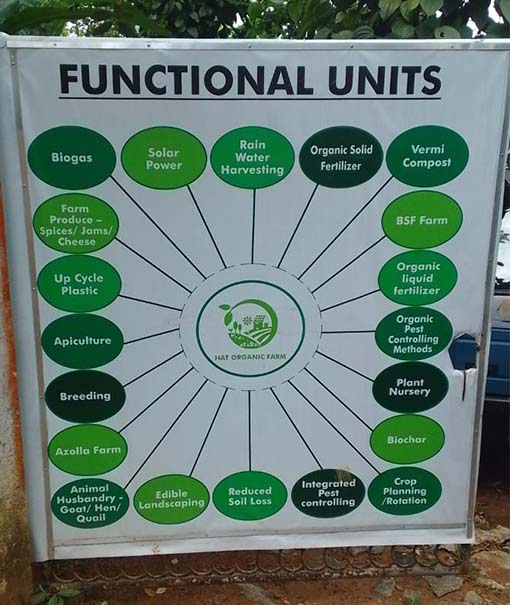

Biogas Production
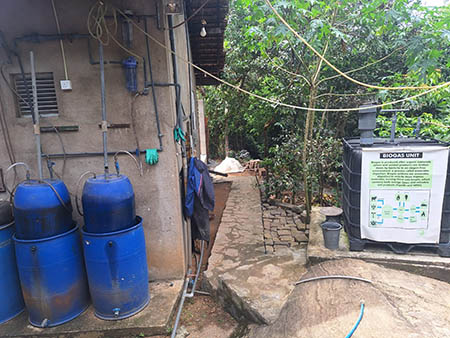
We convert animal waste into Biogas for cooking. Organic Fertilizer, the by-product of biogas
production is repurposed as liquid fertilizer for our crops.
Wormy Compost Production
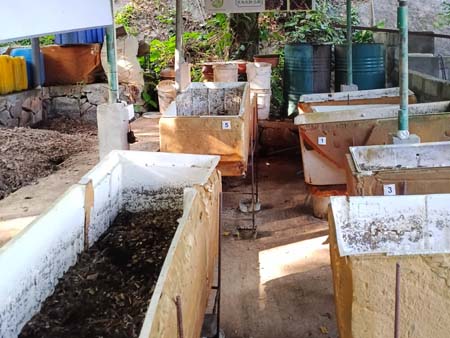
This is a method of creating enriched compost by utilizing earthworms to decompose organic
waste materials. We use cut Banana tree stems and banana peels, chopped nitrogen-rich
Gliricidia leafy greens and Animal waste. We use old refrigerator boxes as bins. Up cycle of plastic.
Vegetable Cultivation
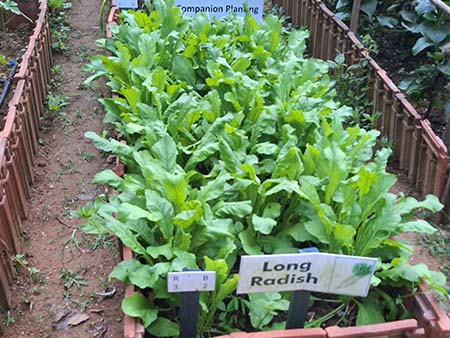
We cultivate both Up-country and Low country vegetables on raised beds using wormy
compost as solid fertilizer and the by-product from Bio Gas unit as our liquid fertilizer. Naturally
enriching the soil for our vegetable beds and integrated using Organic methods pest
Management systems. We practice crop planning and Crop Rotation.
Nutmeg Plantation (“Pension Tree”)
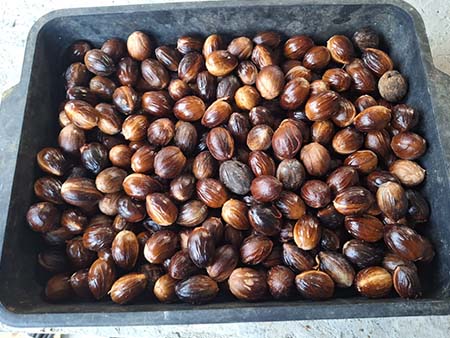
The name comes from the crop's long-term ROI (Return on Investment). While most fruit trees
decline after 20 years, nutmeg is just getting started. Every fruit provides two distinct spices:
Nutmeg (the seed) and Mace (the red lacy covering). Mace is often more valuable by weight.
Year round harvesting.
Poultry
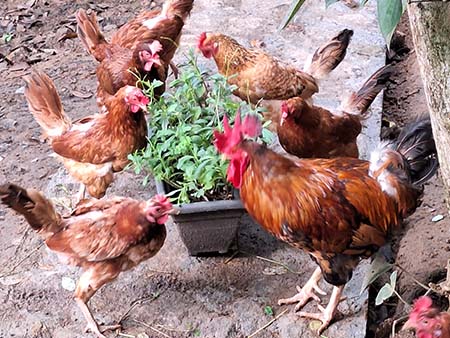
We farm semi free rage hens. Visitors can engage in feeding and collecting eggs.
Goat Farming
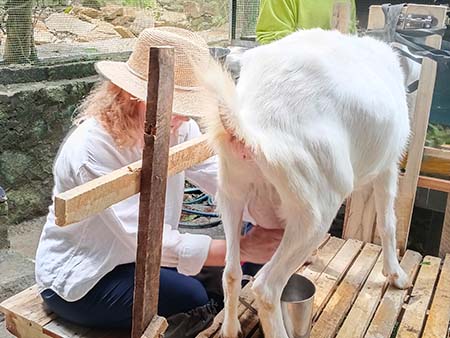
the verity Saanens are known as the "Queens of the Dairy Goats" because they are the highest
milk-producing breed in the world. We make value added dairy products using Goat milk.
Visitors can engage in feeding, cuddling, and milking our goats.
Incubator Facility
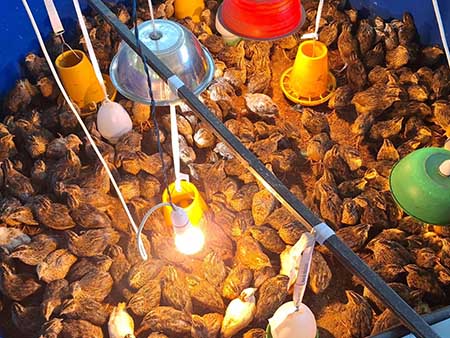
Poultry & Quails. We manage the full lifecycle of our birds. It takes 21 days to hatch a hen’s egg
and 15 days for quail eggs. Chicks spend their first two weeks in a brooder before moving to
cages.
BioChar Production
We follow the Pit method to produce our BioChar. The unused timber our cut to a uniform size
and packed to the pit and set on fire. Once it is harf burned we arrest the oxygen and let it get
beak. Use water to dust the fire. The charcoal is transfer to a barrel and Goat urine is use to
charge the Charcoal (Nitrogen Fixing). The Charged BioChar is use for our cultivation.
Apiculture
Apiculture, commonly known as beekeeping, is the practice of managing and maintaining colonies of honey bees, usually in man-made hives. While most people immediately think of honey, apiculture is a cornerstone of global agriculture and medicine.
Vanilla cultivation
we use concrete pillars with pergola to trail our Vanilla vine. Vanilla vine need shared for about 10 months of the year needs exactly 50% to 70% filtered sunlight. Too much sun burns the leaves; too much shade prevents flowering and invites fungal rot. Increasing the sun light and exposing it to sun light let the vine flowering. Vanilla flowers bloom for only one day, typically opening at dawn and wilting by midday. If a flower isn't hand-pollinated within those 4 morning hours, it drops off and no bean is produced. We demonstrate propagation and processing techniques.